
Vinayaka Chavithi, also known as Ganesh Chaturthi
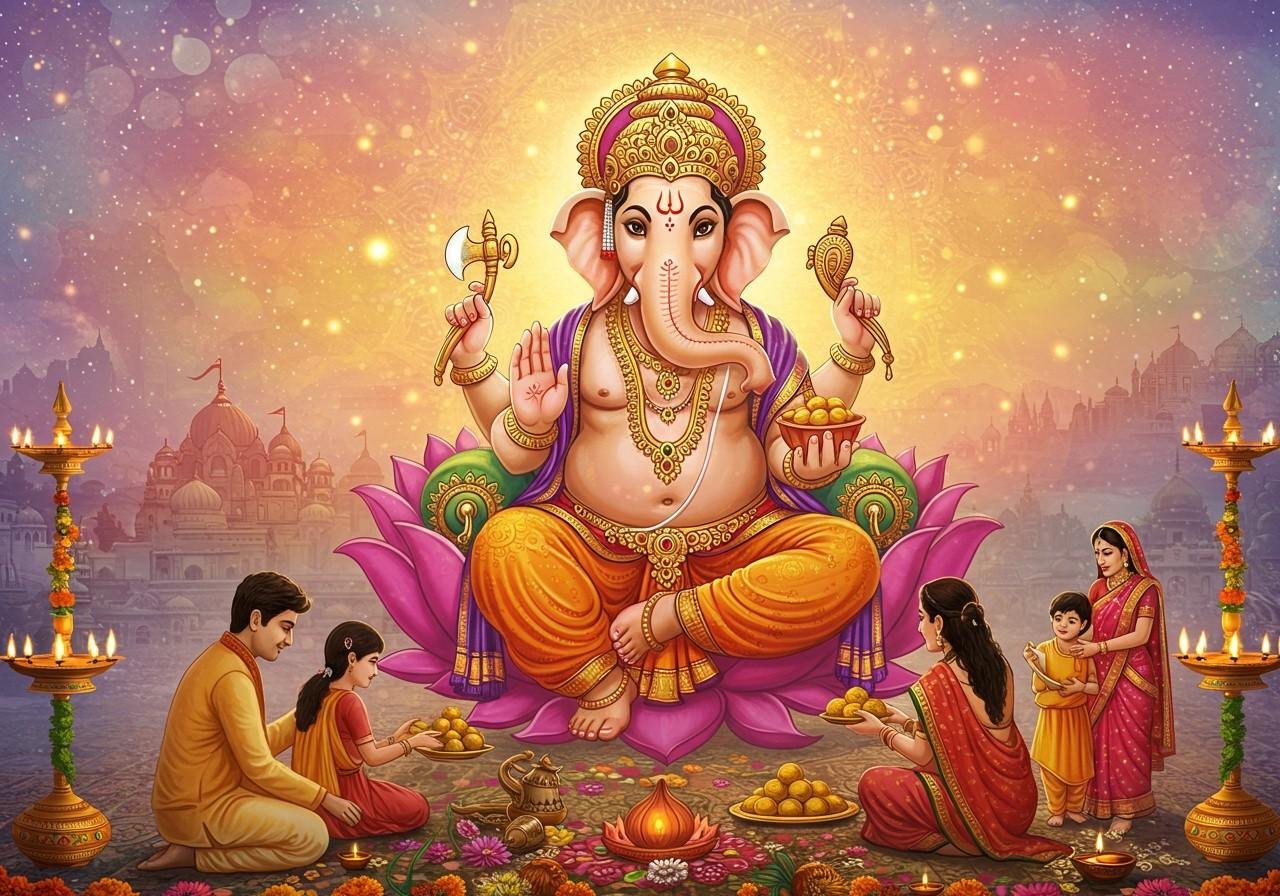
Vinayaka Chavithi, also known as Ganesh Chaturthi, is a vibrant and widely celebrated festival in India, dedicated to Lord Ganesha, the remover of obstacles and the god of wisdom, prosperity, and new beginnings. The festival typically lasts for 10 days, and it’s observed with great fervor and devotion, particularly in Maharashtra, Andhra Pradesh, Telangana, Karnataka, and Gujarat. Its cultural and spiritual significance, combined with the joy and unity it brings to communities, makes it one of the most anticipated celebrations of the year.
Cultural Significance
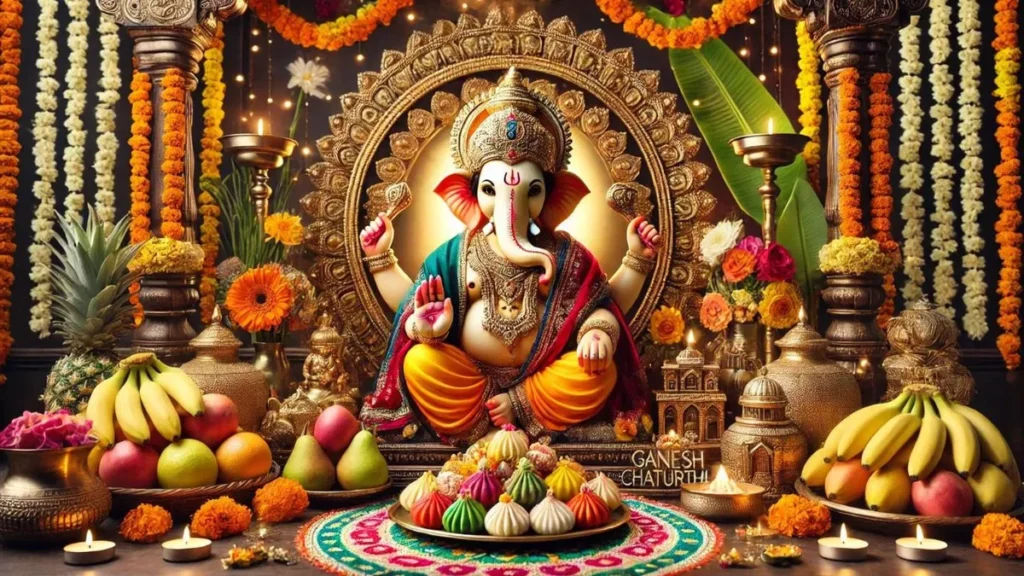
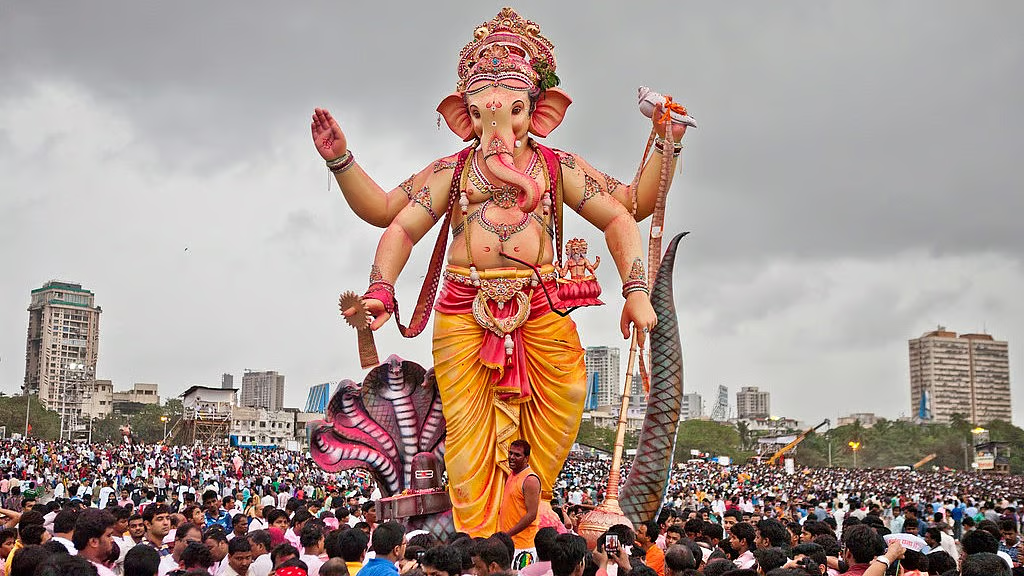
Vinayaka Chavithi marks the birth of Lord Ganesha. It is believed that during this time, Ganesha descends to Earth to bless his devotees. The festival is rich in cultural practices, including the installation of Ganesha idols in homes, temples, and public spaces. These idols vary in size, from small ones placed on mantaps (altars) in homes to gigantic ones that are paraded through the streets. The immersion of the idols, known as “Visarjan,” on the final day signifies the cycle of birth, life, and death.
The festival also promotes values like unity, peace, and harmony as people from all walks of life come together to celebrate. It fosters a sense of community as people engage in collective prayers, organize cultural events, and distribute prasad (offering) to devotees. The Ganesh processions, with music, dance, and elaborate decorations, create a festive atmosphere that brings joy to everyone involved.

Environmental Concerns and Eco-Friendly Initiatives
In recent years, the festival has faced criticism due to environmental concerns. Many of the idols, particularly the larger ones, are made of non-biodegradable materials like plaster of Paris, which harms the environment during immersion. The chemicals used for coloring also contaminate water bodies. In response, there has been a growing movement towards eco-friendly Ganesh idols made of clay and natural colors.
This shift toward sustainability has been endorsed by several organizations and local bodies, which have conducted campaigns to raise awareness about the environmental impact of traditional practices. Community leaders have also advocated for the immersion of idols in artificial ponds instead of natural lakes to minimize water pollution.
The Role of Music and Dance
Another unique feature of Vinayaka Chavithi is the music and dance associated with it. Devotional songs, chants, and drum beats fill the air during processions, creating an exuberant ambiance. The crowds follow the idols as they are taken for immersion, singing bhajans and dancing to the rhythms of dhol-tasha (drums) and lezim. The sound of “Ganapati Bappa Morya” echoes through the streets, uniting people in devotion and celebration.
The colorful decorations and light displays along the streets add to the charm of the festival, making it an unforgettable visual experience. The enthusiasm and excitement are palpable, making it one of the most iconic and joyous festivals of the Indian calendar.
Conclusion
Vinayaka Chavithi is a celebration that beautifully blends spirituality, culture, and community. It fosters devotion and unity among people while providing an opportunity to reconnect with tradition and culture. Despite the environmental challenges, the festival is evolving to incorporate more sustainable practices. The essence of Vinayaka Chavithi lies in the joyous spirit and devotion that it brings, making it a time for reflection, gratitude, and togetherness.
As a festival that transcends geographical and cultural boundaries, Vinayaka Chavithi continues to be a significant and vibrant celebration in India and the diaspora. It is a time to celebrate Lord Ganesha’s blessings and to embrace the spirit of new beginnings.