
Krishna Janmashtami: Celebrating the Birth of the Divine
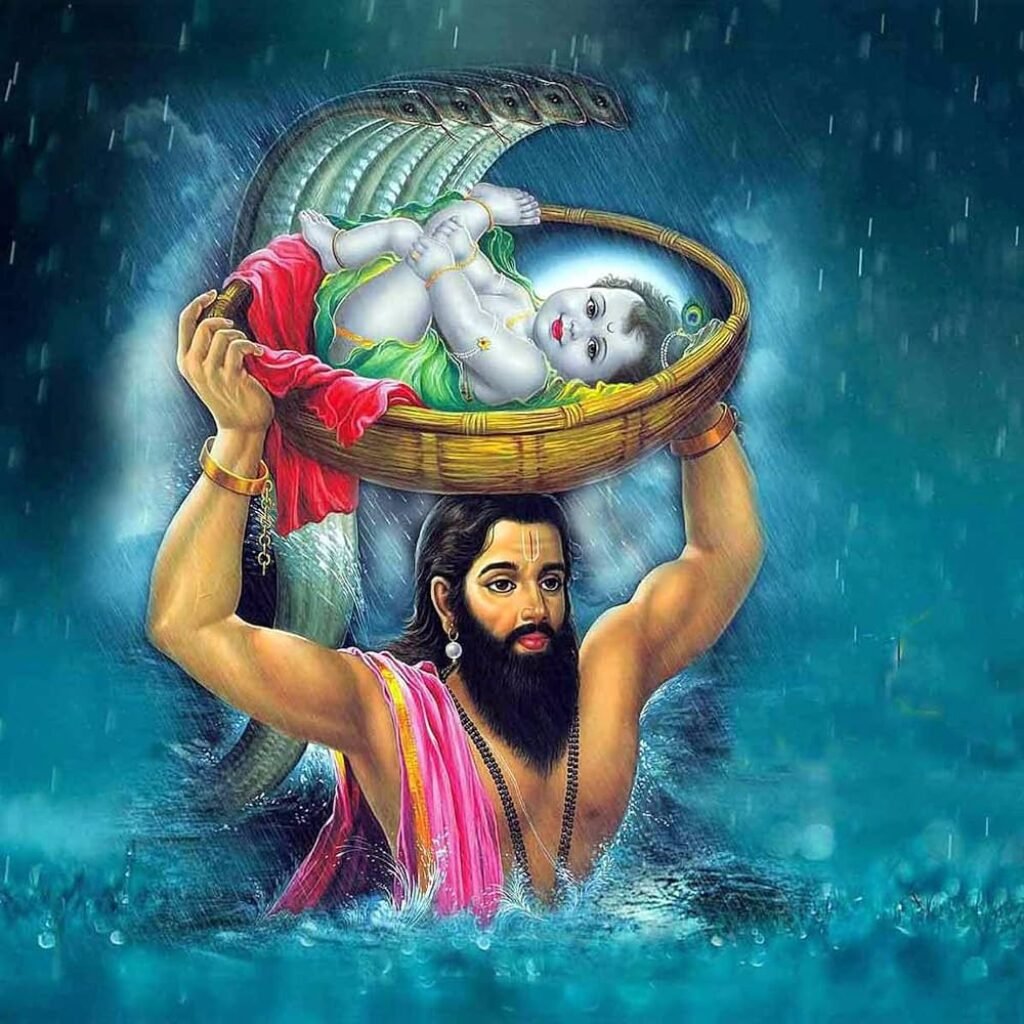
Krishna Janmashtami, also known simply as Janmashtami, is one of the most vibrant and spiritually uplifting festivals in India. Celebrated with great devotion and joy, it marks the birth anniversary of Lord Krishna, the eighth incarnation of Lord Vishnu, who is revered for his wisdom, charm, and divine playfulness. The festival usually falls in August or September, on the eighth day (Ashtami) of the Krishna Paksha in the month of Bhadrapada, as per the Hindu lunar calendar.
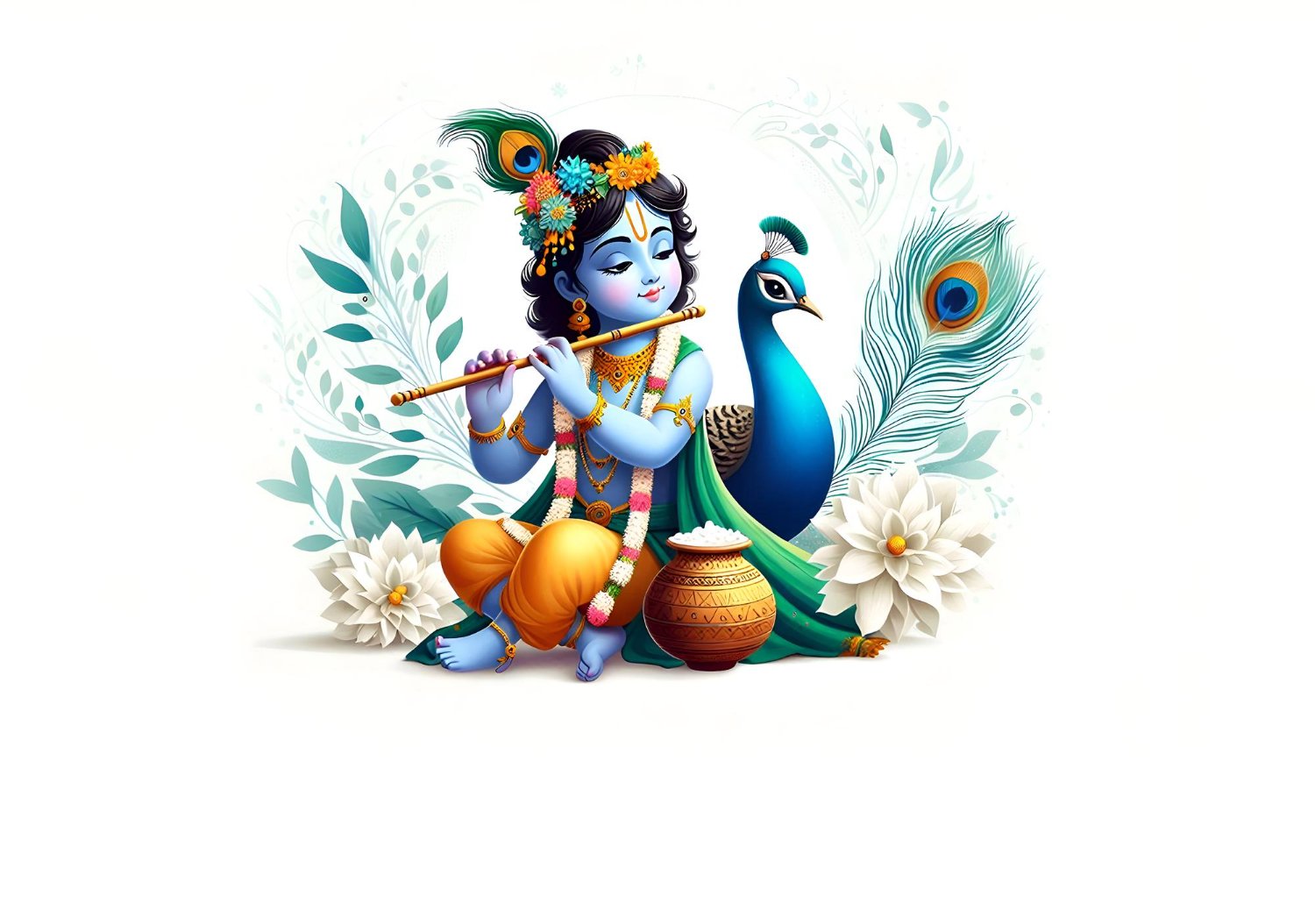
Across the country, Janmashtami is celebrated with a mix of spiritual rituals, cultural performances, and colorful festivities. Temples and homes are beautifully decorated with flowers, lights, and intricate rangoli designs. Devotees prepare altars with small cradles to symbolize baby Krishna, and idols of the deity are adorned with bright clothes, ornaments, and peacock feathers. The air is filled with the sound of devotional songs and the chanting of “Hare Krishna” as devotees immerse themselves in the divine energy of the occasion.
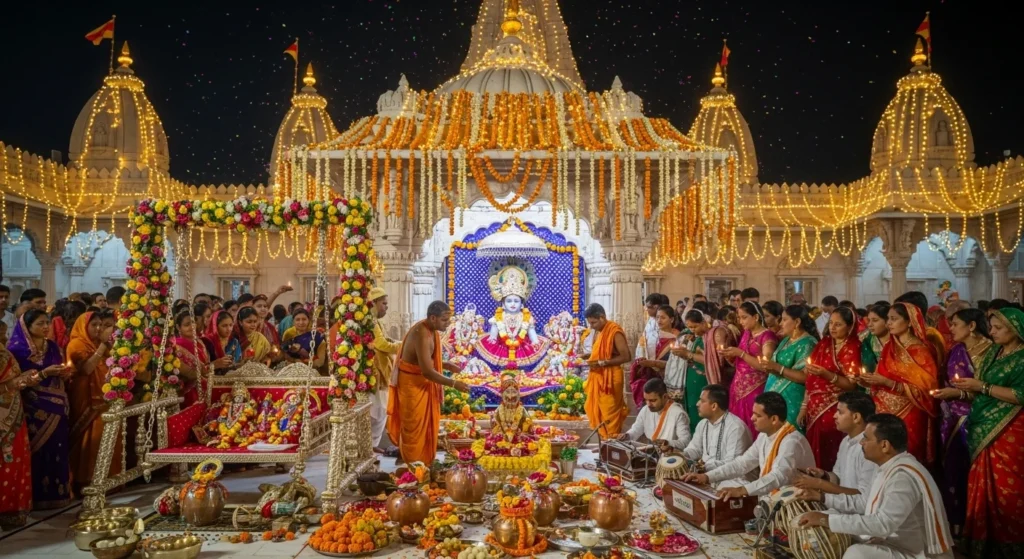
Fasting is an important part of the celebration. Many devotees observe a complete or partial fast, breaking it only at midnight, which is believed to be the exact time of Krishna’s birth. At this moment, temples and households come alive with bells, conch shells, and the joyous cries of “Krishna Janma Mahotsav Ki Jai!” The midnight rituals often include bathing the idol in milk, honey, and ghee, followed by offering a variety of sweets like makhan (butter), laddoos, and panjiri—delicacies associated with Krishna’s childhood.
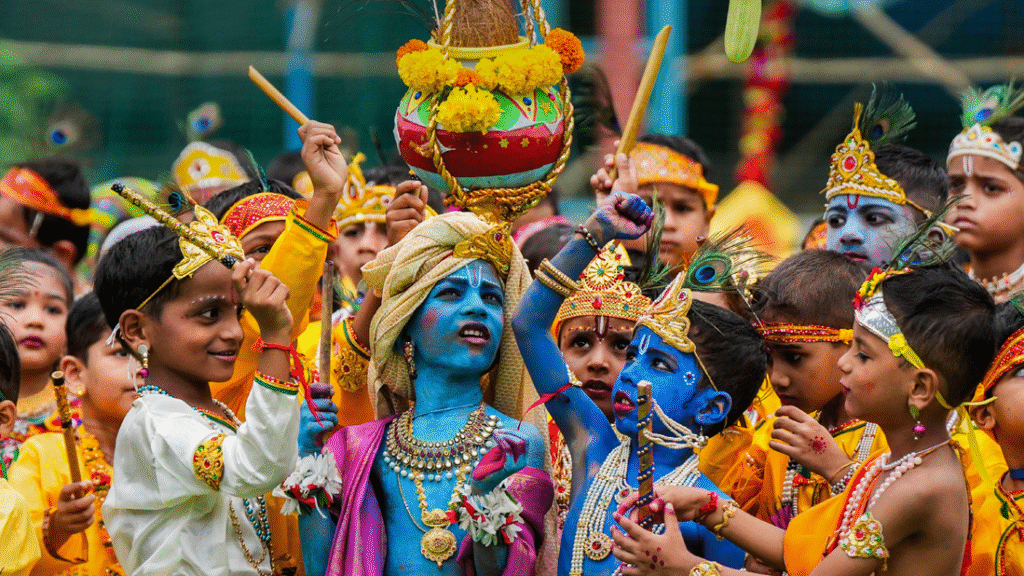
One of the most exciting aspects of Janmashtami is the Dahi Handi celebration, particularly popular in Maharashtra and parts of Gujarat. Inspired by Krishna’s playful habit of stealing butter from hanging pots, young men and women, known as “Govindas,” form human pyramids to break a clay pot filled with curd, butter, or sweets, hung high above the ground. The event is filled with energy, music, and cheering crowds, creating an atmosphere of unity and joy.
In places like Mathura and Vrindavan—Krishna’s birthplace and childhood home—the celebrations are especially grand. Thousands of devotees from all over the world gather to witness reenactments of episodes from Krishna’s life, known as “Ras Lila.” These performances combine dance, music, and drama to bring the divine stories to life, reminding people of the eternal values of love, compassion, and righteousness.
Krishna Janmashtami is not just a religious observance; it’s a cultural festival that transcends age and community. Children dress up as little Krishnas and Radhas, families come together in devotion, and communities unite in celebration. It’s a time when the spiritual and the joyful merge, inspiring people to reflect on Krishna’s teachings in the Bhagavad Gita—principles of dharma (duty), karma (action), and bhakti (devotion).
In essence, Krishna Janmashtami is a festival of love, faith, and togetherness. Whether celebrated in the quiet corners of a home or on a grand public stage, it reminds us of the eternal message of divine joy and the beauty of a life filled with devotion.